Last updated: 2026-08-06
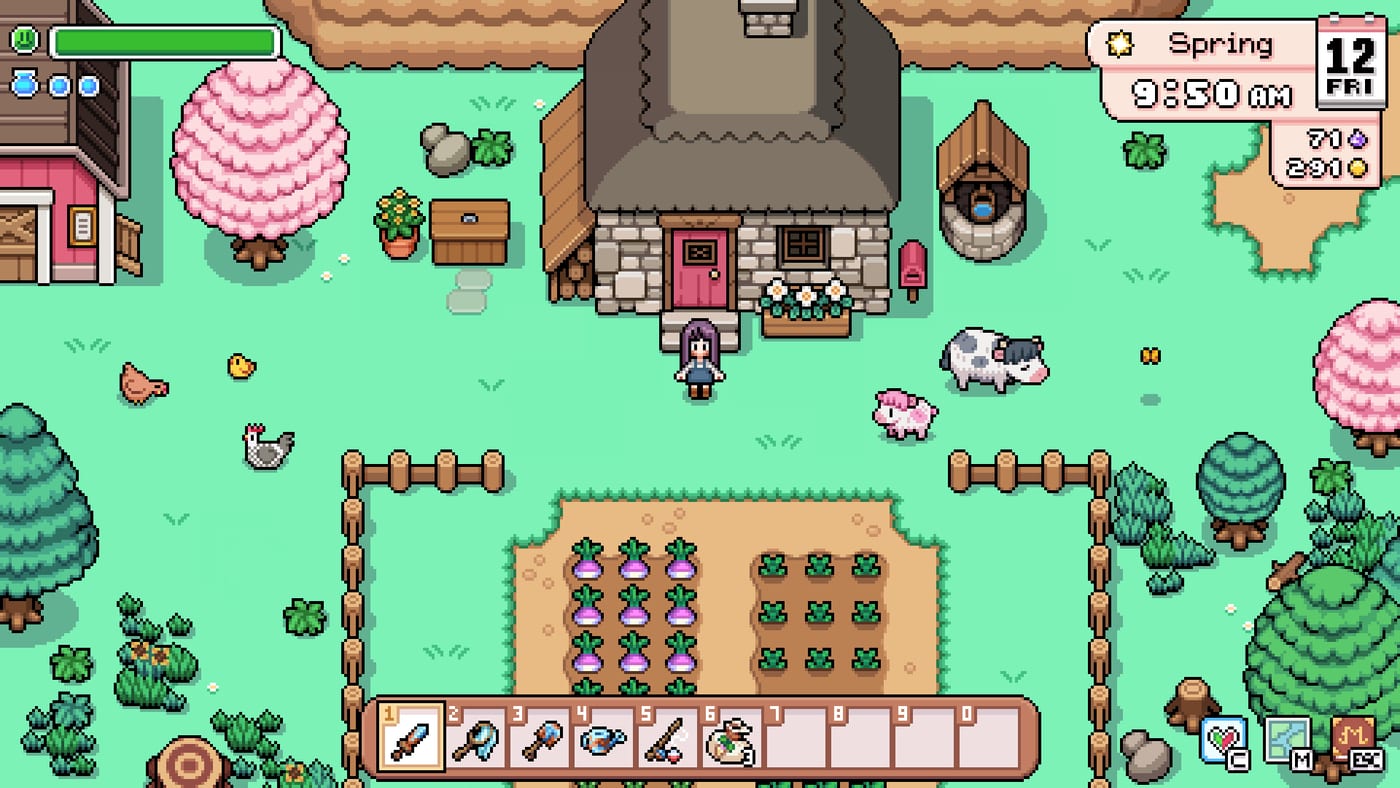
The greenhouse is Mistria’s strongest farming upgrade: indoor beds ignore outdoor season locks, letting multi-harvest berries and regrow crops print Tesserae through Winter while mines and festivals consume your afternoons. It is not a day-one build—you unlock it through carpenter upgrades tied to town story progress, typically after your first berry-powered Summer and as Town Rank climbs toward Rank 10. This guide covers requirements, layout strategy, and synergy with best money crops and animals and ranching.
What the greenhouse does
Outdoor fields force crops by season rotations. Greenhouse soil accepts plantings without seasonal expiry, meaning:
- Strawberries, blueberries, or cranberries can regrow year-round if planted inside.
- High-value singles can finish late bundles without waiting calendar months.
- Winter income continues while outdoor tiles sit idle.
The greenhouse does not auto-water by itself in early progression—budget stamina for indoor watering until sprinklers or helpers unlock if available.
Unlock requirements
Standard unlock chain:
- Advance town repair / carpenter story quests—story unlocks checklist.
- Meet Town Rank thresholds for major farm upgrades—Town Rank.
- Pay Tesserae plus materials (wood, stone, mine ore after Rank 10).
Focused shortcut page: how to unlock the greenhouse.
Start saving materials in late Summer if you want the build ready before first Winter. Missing the window pushes you toward animal-heavy Winter income instead— workable, but slower.
Build timing relative to mines
Rank 10 opens the mines, which compete for afternoons. Ideal order for many players:
- Maximize outdoor blueberries Summer income.
- Push Rank 10 with shipping + museum donations.
- Complete greenhouse commission in Fall.
- Clone berry layout indoors before Winter day 1.
- Mine after morning greenhouse harvest.
Mine ores sometimes gate carpenter upgrades—sell surplus ore carefully if blacksmith recipes need them.
Optimal layouts
Treat greenhouse space as premium tiles:
- Fill 80–100% with multi-harvest berries or your highest regrow Tesserae crop.
- Reserve one row for quest/bundle singles that would otherwise waste outdoor season time.
- Apply fertilizer before first indoor harvest to stack regrow value—same rules as outdoor best money crops.
Pathing matters: arrange beds so you water in one loop without backtracking—greenhouse chores repeat daily for years.
Crop choices inside
| Crop type | Greenhouse use |
|---|---|
| Strawberries | Year-round regrow if you love Spring berry economics |
| Blueberries | Common clone of Summer peak income |
| Cranberries | Fall regrow extended through Winter |
| Singles (melons, etc.) | Bundle rush, not full layout |
Clone whichever outdoor layout already made the most Tesserae per watering minute—do not experiment with exotic singles on every tile.
Fertilizer and quality indoors
Premium fertilizer ROI increases in greenhouse because regrow never pauses for snow. Reapply according to tooltips when quality drops.
Prismatic farming targets belong here first—protected tiles, infinite season, predictable harvest cadence.
Stamina and automation
Greenhouse watering stacks with outdoor fields if you still farm outside. Many players shrink outdoor plots after greenhouse completion to save stamina for seals progression.
Essence perks reducing hoe/water costs pay off massively on indoor loops. Offer farming-aligned essence at Caldarus once skills level.
Magic growth spells—magic and spells—help but do not replace layout efficiency.
Winter income stack
Strong Winter economy combines:
- Greenhouse berry regrows shipped nightly.
- Animal products from animals and ranching.
- Mine loot and fishing for museum/mineral renown.
If greenhouse completes late, prioritize animals temporarily, then migrate feed costs once indoor crops online.
Greenhouse versus Town Rank
Shipping greenhouse goods still raises renown toward 1.0’s high rank cap. Empty greenhouse nights hurt rank quests the same as empty outdoor boxes.
Donate first museum copies of new indoor-only goods if sets require them—museum overview.
Common greenhouse mistakes
- Building before berry income can afford fertilizer maintenance.
- Planting full singles plot for one quest, starving regrow tiles.
- Keeping oversized outdoor fields after indoor clone doubles watering workload.
- Forgetting to harvest before sleep—regrow timers still tick.
- Delaying carpenter turn-ins until mid-Winter.
Late-game greenhouse role
After floor 100 mine content, greenhouse Tesserae funds gifts, rank quests, and furniture without touching combat schedule. Year-two players often run only greenhouse plus ranch while outdoors become cosmetic or bundle corners.
Secret mine rewards do not replace farming—they feed upgrades that make greenhouse faster.
Checklist before commissioning
- Rank and story flags for carpenter upgrade
- Materials gathered (check mine ores)
- Tesserae buffer for fertilizer stock
- Outdoor berry layout documented to clone
- Winter calendar marked for completion deadline
The greenhouse transforms Mistria from seasonal scrambler to stable life sim. Unlock it deliberately, clone your best berry field, and Winter becomes planning time—not bankruptcy.
Frequently asked questions
How do I unlock the greenhouse?
Through a carpenter upgrade after town story and Town Rank milestones—not from mines directly. Steps in how to unlock the greenhouse.
What should I plant inside first?
Clone your best multi-harvest berry outdoor layout—strawberries, blueberries, or cranberries—for year-round regrow Tesserae.
Does the greenhouse work in Winter?
Yes—that is its main value. Indoor beds ignore outdoor season restrictions while animals and mines fill gaps.
Should I stop outdoor farming after building?
Many players shrink outdoor fields to save stamina, keeping a small plot for quests. See crops by season for transitions.
Do greenhouse crops raise Town Rank?
Yes—shipped greenhouse goods count like outdoor crops toward renown in Town Rank loops.
Recheck the source date and in-game version before relying on a numeric requirement. This page was last updated Aug 6, 2026.